All Articles

In archive: 29 articles

This page contains materials that I have been directly involved in creating: articles I wrote personally, texts in the preparation of which I participated as a co-author, and publications about me and my professional journey.


The main publishing platforms are Habr and Medium. These platforms serve as primary sources of materials, and the links here lead directly to the originals.

26.08.2026
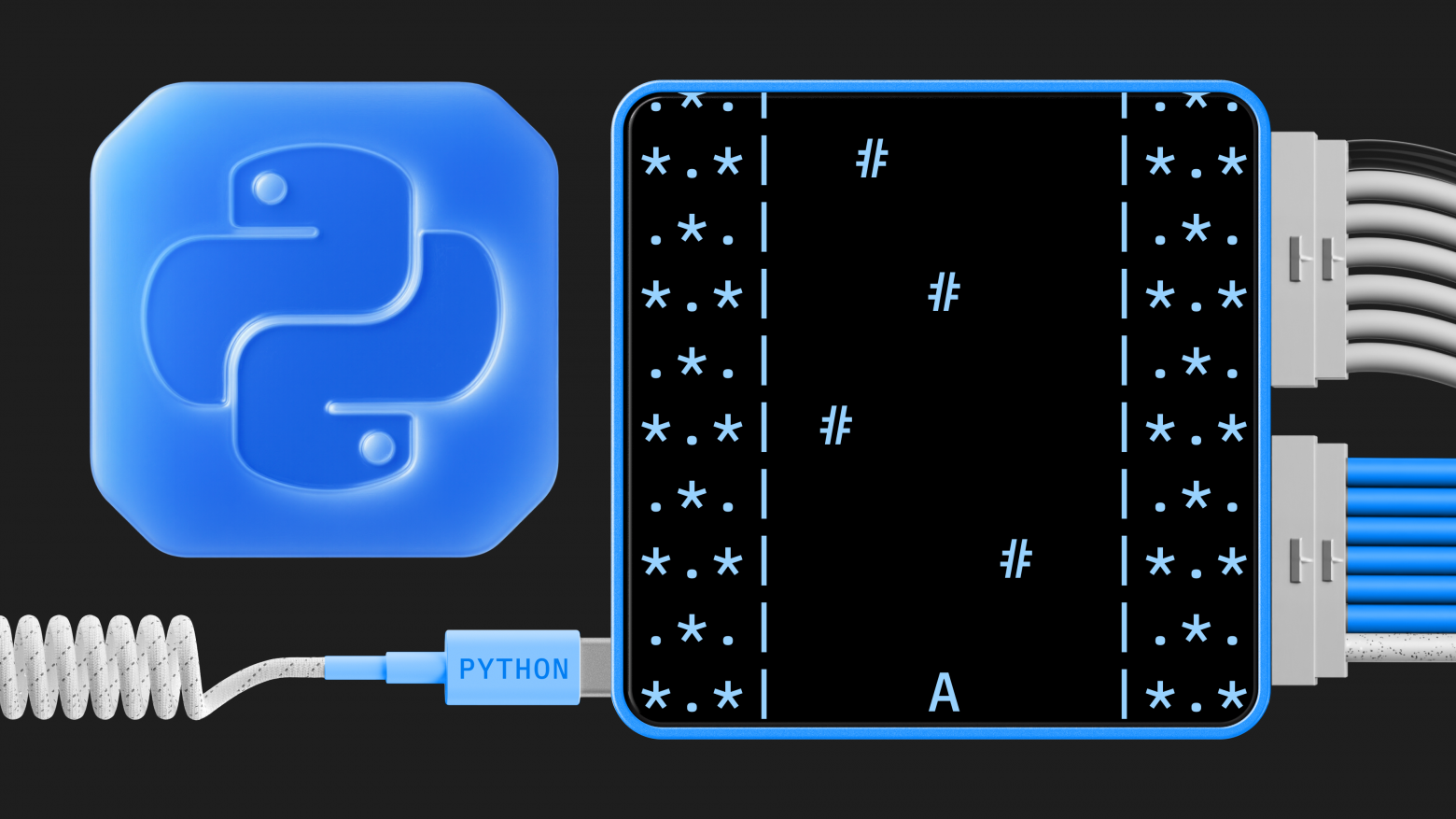
Article cover: How to rediscover the joy of simple programming: writing a terminal game in Python
How to rediscover the joy of simple programming: writing a terminal game in Python
These days, you can put together a simple computer game in a matter of minutes: use a ready-made engine, integrate a library, or simply ask an AI to write the code. But I wanted to go back to basics and try to make do with the bare minimum of resources. Hello! I’m Evgeny Bartenev, technical lead and author of the ‘Python Developer’ course at Praktikum. In this article, I’ll try to write a car racing game using around 50 lines of Python code. All the ‘graphics’ will consist of standard terminal characters, and along the way we’ll take a brief look at ANSI sequences, non-blocking input and how a terminal actually works.
Published on Habr →
15.05.2026
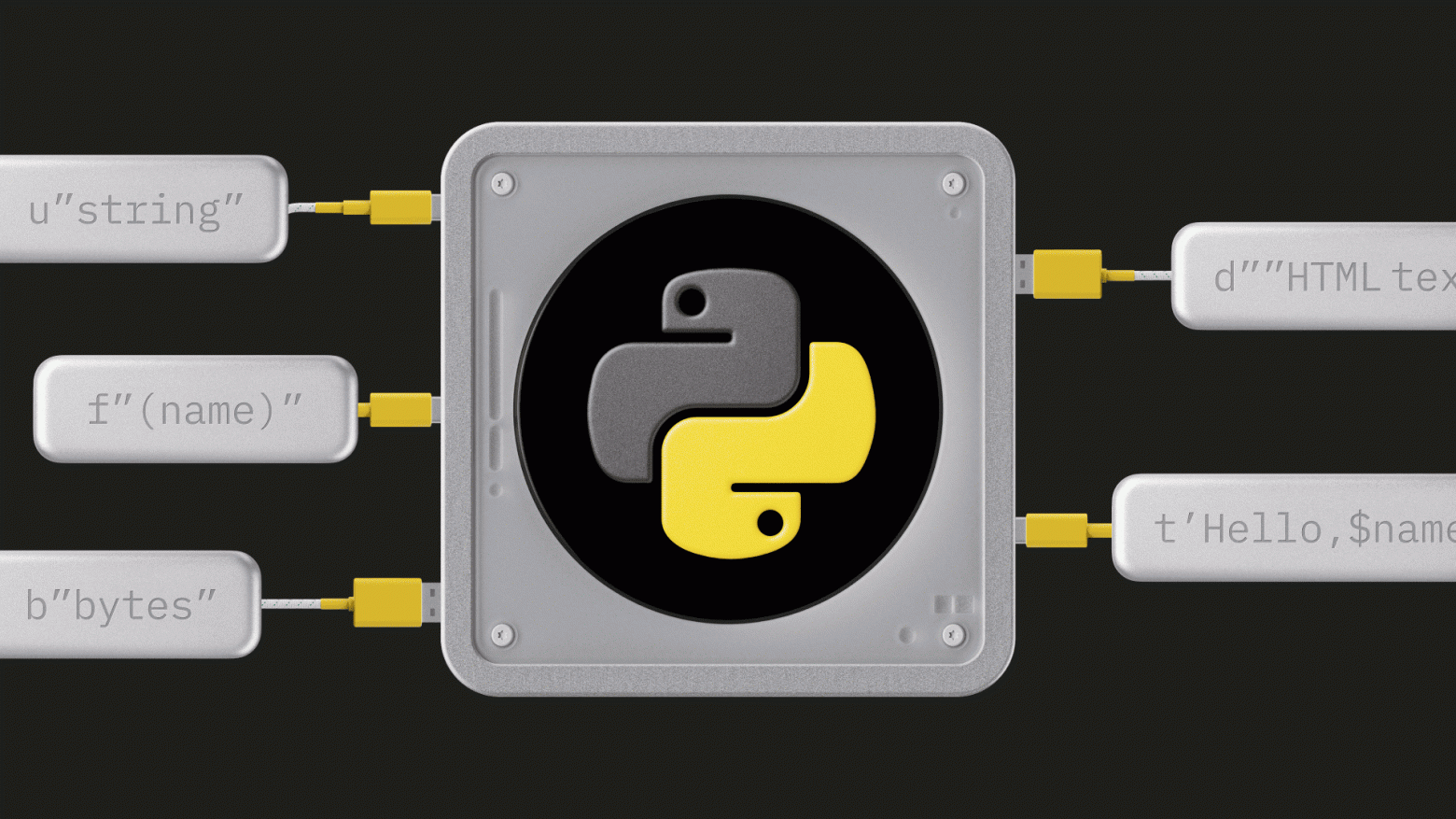
Article cover: Strings in Python: it’s not as simple as it seems
Strings in Python: it’s not as simple as it seems
To novice developers, strings usually seem to be just about the simplest thing in a programming language. Perhaps this is because learning a new language often begins with displaying the string ‘Hello, world!’ on the screen. ‘It’s just a set of characters enclosed in quotes!’ — a junior Python developer usually exclaims. But in Python, things are a bit more interesting. And behind the simple syntax lies a whole host of possibilities, rules and nuances. What’s more, if you look more closely, you’ll find that Python has a whole menagerie of string representations and their associated features. Hello, I’m Evgeny Bartenev, author and technical lead of the ‘Python Developer’ course at Praktikum. In this article, I’ll take a step-by-step look at the different types of strings in Python, how they differ from one another, what possibilities they offer, and what pitfalls you might encounter when working with them. We’ll discuss both basic usage and the important details that every developer should bear in mind.
Published on Habr →
26.03.2026
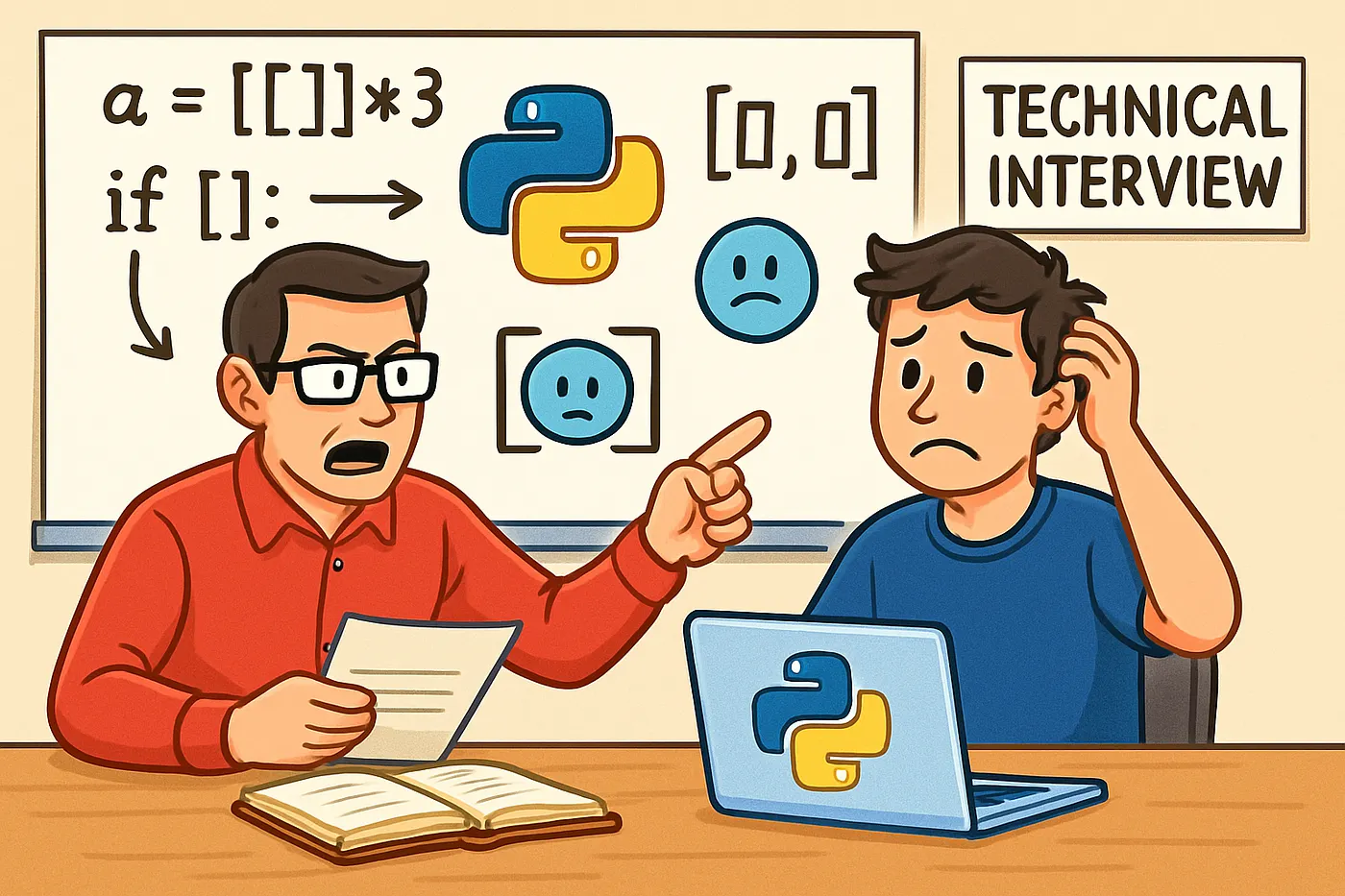
Article cover: Python Gotchas You’ll Almost Certainly Be Asked About in a Technical Interview (Part 2)
Python Gotchas You’ll Almost Certainly Be Asked About in a Technical Interview (Part 2)
My name is Evgeny Bartenev. I’m the author of the Python Developer course at TripleTen and an active software developer. Over the years, I’ve interviewed hundreds of candidates and have also spent plenty of time in the interview seat myself, so I have a good sense of what companies actually test for and where candidates most often stumble. And it’s not just junior developers. Even experienced engineers get tripped up by Python’s less obvious behavior. The first part of this article sparked a lot of discussion. In the comments, readers shared their own interview experiences, pointed out subtle Python behaviors I hadn’t covered, and asked some great follow-up questions. In this second part, I’ll keep going through the Python quirks that junior candidates most often run into during technical interviews. In my experience, these are exactly the kinds of topics that cause people to freeze up. As before, I’m not focusing on generic interview questions. I’m focusing on the language features behind those questions, the ones interviewers love turning into tricky little puzzles.
Published on medium →
06.11.2025
Article cover: Python Features You Will Definitely Be Asked About at a Technical Interview. Part 2
Python Features You Will Definitely Be Asked About at a Technical Interview. Part 2
Hello, Habr! My name is Bartenev Evgeny, I am the author of the "Python Developer" course at Yandex Practicum and a practicing developer. I have interviewed hundreds of candidates and have repeatedly been in the role of the interviewed, so I have a good understanding of what knowledge is tested at interviews and where not only juniors, but also experienced developers most often "fail". The first part of this article caused a lively discussion. In the comments, readers shared their own experiences, reminded me of nuances I missed, and asked great clarifying questions. In this part, I will continue to analyze the next "pitfalls" in Python. As before, I will not analyze well-worn questions like "How is a list different from a tuple". Instead, we'll look at real features of Python that underlie the most insidious tasks and questions.
Published on Habr →
16.10.2025
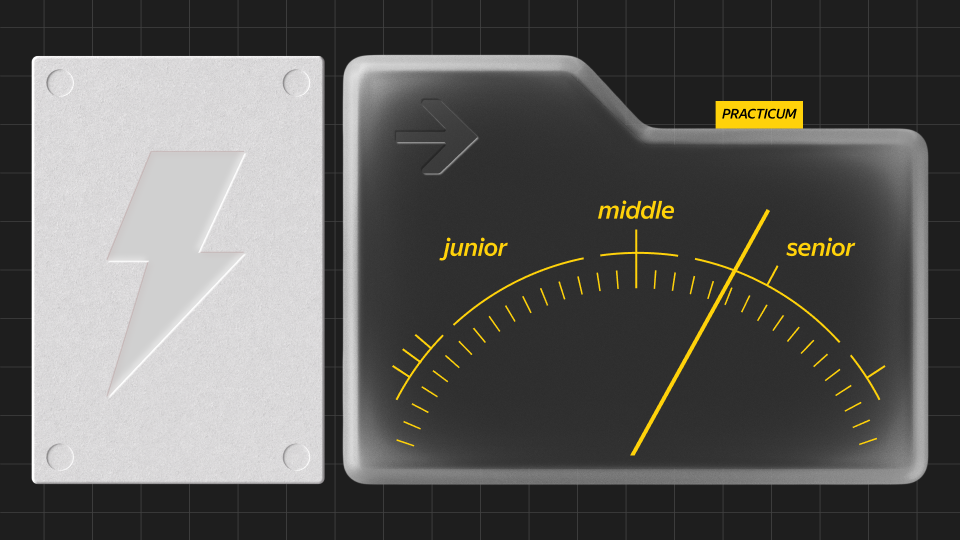
Article cover: From Junior to Expert: How Skills Map and Development Plan Help Professional Growth of a Python Developer
From Junior to Expert: How Skills Map and Development Plan Help Professional Growth of a Python Developer
Hello! My name is Evgeny Bartenev, I am the technical lead and author of the "Python Developer" course at Yandex Practicum. I have been in the profession for over 20 years: I've gone from junior to Python expert and seen how the market changes and how requirements for developers change with it. And over this time I've noticed one pattern: often after the first steps in their career, people seem to hit a ceiling. The goal seems clear: "become a middle, then a senior" - but such guidance almost never helps you move forward. The thing is, a position is just a formal label. True growth comes through skills, experience and the ability to apply them in practice. Without understanding this logic, it's easy to get stuck in one place: work a lot, but not move forward in your profession. In this material I will share approaches that will help you get out of such a situation. I will tell you what a professional development plan is, why it is needed and how to use it for personal growth, in interviews, in learning and in real work. Then I'll show an example of a Python developer skills map, give you a template for a plan and concrete recommendations on what to do if you are really focused on moving forward and want to grow to the level of an expert.
Published on Habr →
11.09.2025
Article cover: Python Traps and How to Handle Them During an Interview
Python Traps and How to Handle Them During an Interview
At first glance, Python looks simple and straightforward, which is exactly why it's such a great language to start a developer career with. However, behind that simplicity lie several nuances that interviewers often use. This is where junior developers can easily get caught off guard: your code seems to work fine, but suddenly the behavior isn't what you expected. As the author of the Python Developer course at Yandex Practicum, I often break down these situations on my YouTube channel, where I run open mock interviews with junior developers. The examples I cover aren't abstract; they come directly from real interview sessions and observations. In this article, I've collected the most interesting Python quirks that repeatedly come up in interviews and that you'll almost certainly encounter in your own technical screening. I'll show you the kinds of questions interviewers typically ask and explain why they matter. Whether you're preparing for your very first job as a junior developer or want to brush up on your fundamentals, this breakdown will be a valuable resource.
Published on medium →